

Are Human Accountants Dead? Do Small Businesses Still Need Professional Tax Preparation in the AI Era?
- smithtaxesandmore
- Dec 12, 2025
- 5 min read
Let's cut straight to the chase: human accountants are far from dead. In fact, they're more valuable than ever before. But here's what's really happening: the entire accounting profession is going through the biggest transformation since the invention of spreadsheets.
If you're a small business owner wondering whether you still need professional tax help when AI can seemingly do everything, you're asking the right question. The answer might surprise you.
The Real Story Behind AI and Accounting
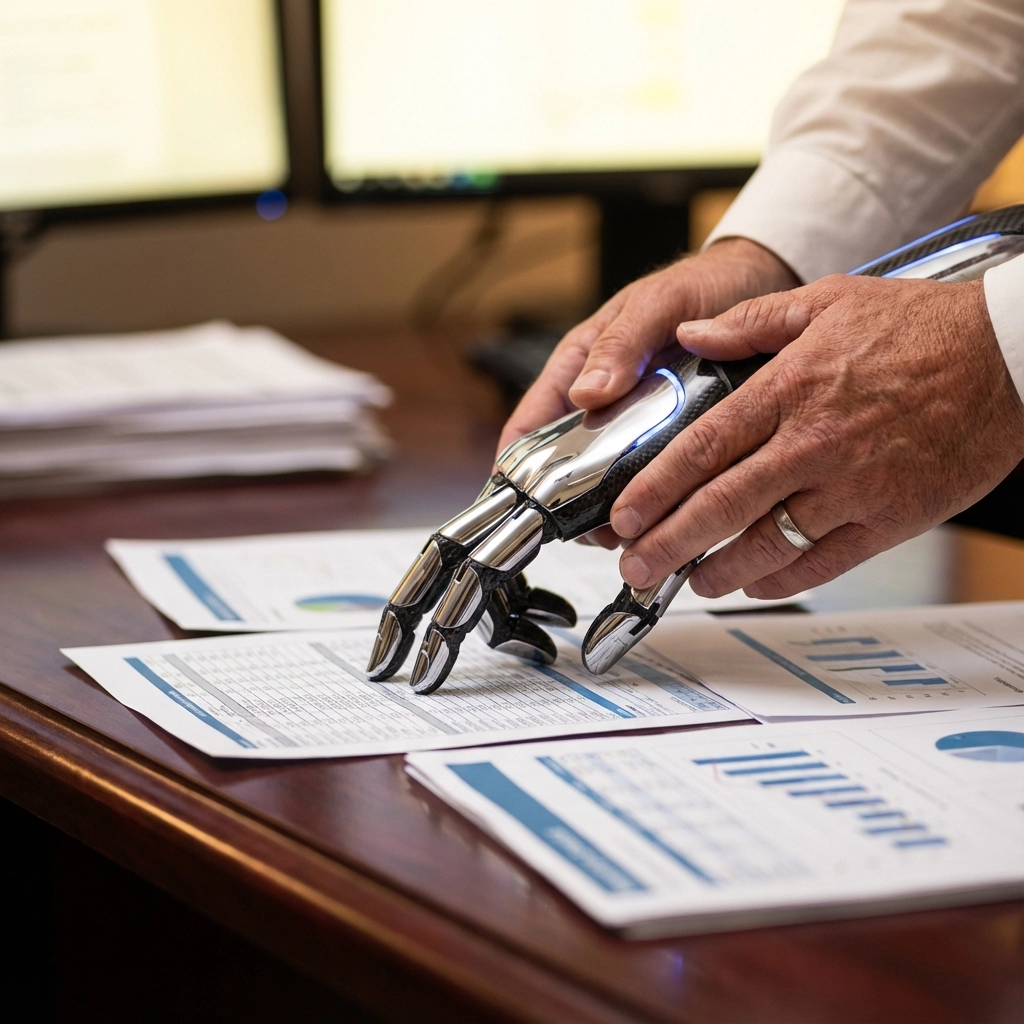
AI has definitely changed the game, but not in the way most people think. Instead of replacing accountants, it's actually making them better at what they do. Think of it like this: AI is the calculator, but you still need someone who knows math.
The latest research shows that 79% of accounting professionals are seeing growth in strategic advisory services. That's not a coincidence: it's because AI is handling the grunt work, freeing up professionals to focus on what really matters: helping businesses make smart financial decisions.

Here's what AI excels at:
Processing thousands of transactions in minutes
Catching duplicate entries and basic errors
Identifying patterns in large datasets
Automating routine bookkeeping tasks
Flagging potential fraud through data analysis
But here's what it can't do:
Understand nuanced tax regulations and exceptions
Make judgment calls about unusual situations
Provide strategic business advice
Navigate complex audit requirements
Offer the human touch during stressful tax seasons
Why Human Oversight Isn't Optional
You know that feeling when your GPS tells you to turn left into a lake? That's essentially what can happen when you rely on AI without human oversight. The technology is incredibly powerful, but it's also incredibly literal.
A professional accountant doesn't just validate what the AI spits out: they understand the context behind the numbers. When the software flags a "mismatch," an experienced CPA can tell you whether it's actually a problem or just a quirk in how the transaction was recorded.
Take tax interpretations, for example. The tax code isn't just complex: it's full of exceptions, special circumstances, and gray areas that require professional judgment. AI might catch that you're eligible for a deduction, but it takes a human to understand whether claiming that deduction puts you at higher risk for an audit.
The Evolution of Professional Value
The dirty little secret? Most accountants are thrilled about AI. Why? Because they're finally freed from the mind-numbing data entry and basic calculations that used to eat up 70% of their time.
Now they can focus on what they actually went to school for:
Strategic tax planning that saves you money long-term
Business advisory services that help you grow
Risk management and compliance guidance
Financial analysis that informs major decisions
Succession planning and wealth management
For small businesses, this evolution is a game-changer. Instead of just getting your taxes done, you're getting a strategic partner who understands both your business and the technology that can help it succeed.
What This Means for Small Businesses
If you're running a small business, you're probably wearing about fifteen different hats already. The last thing you need is to become an expert in both tax law and AI technology. This is where the modern accounting professional becomes invaluable.
Professional accountants using AI tools are saving their clients an average of 3.5 hours per week on data entry alone. But more importantly, they're catching issues that could cost thousands later and identifying opportunities that DIY software simply can't see.
Consider fraud detection as an example. AI can spot unusual patterns in your financial data, but it takes professional expertise to determine whether those patterns represent actual fraud, a data entry error, or just an unusual but legitimate business expense.
Real-World Benefits You Can Measure
Let's get practical. Here's what small businesses are actually experiencing when they work with AI-enhanced accounting professionals:
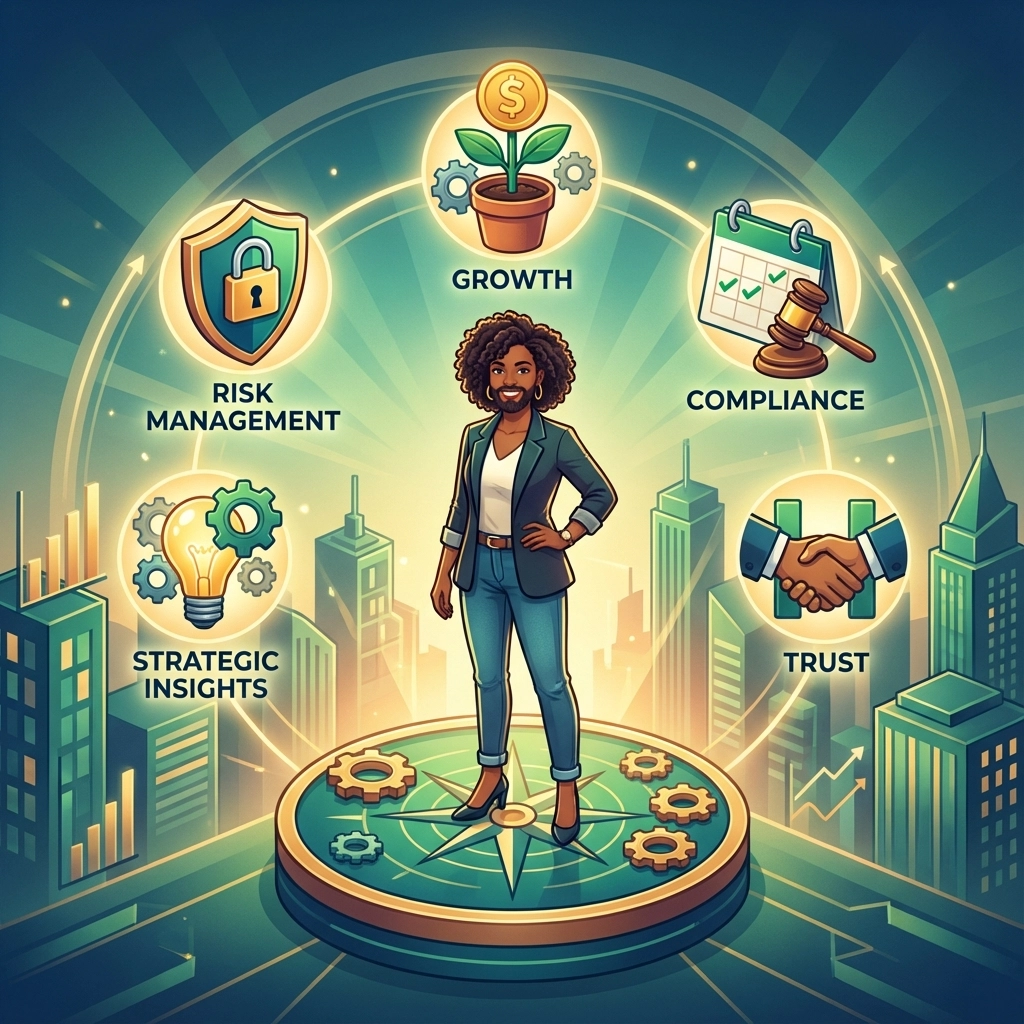
Better Risk Management: Professionals can now analyze your entire financial picture in real-time, spotting potential issues before they become expensive problems.
Proactive Tax Planning: Instead of scrambling at year-end, your accountant can run scenarios throughout the year, adjusting strategies based on how your business is actually performing.
Enhanced Compliance: With AI handling routine compliance checks, professionals can focus on the complex regulations that could trigger audits or penalties.
Strategic Growth Support: The time saved on routine tasks means more time helping you make decisions about expansion, equipment purchases, hiring, and other growth initiatives.
Data-Driven Insights: AI can identify trends in your business that you might miss when you're focused on day-to-day operations.
The Trust Factor
Here's something that often gets overlooked in all the AI hype: when the IRS comes knocking, they're not going to accept "the software told me to" as a defense. You need someone who can stand behind the decisions and explain the reasoning.
Professional accountants provide something AI never can: accountability. They're licensed, insured, and personally responsible for their work. If something goes wrong, you have someone to call who can fix it.
Plus, there's value in having someone who knows your business personally. They understand your industry, your growth patterns, your seasonal fluctuations, and your long-term goals. That contextual knowledge is what turns good tax preparation into strategic advantage.

Looking Forward: The Best of Both Worlds
The future isn't about choosing between AI and human expertise: it's about getting both. The most successful small businesses are working with accounting professionals who embrace technology while providing the strategic guidance that only comes with experience.
Think of it like modern medicine. We have incredible diagnostic tools and computer-assisted procedures, but you still want an experienced doctor interpreting the results and making treatment decisions.
The same principle applies to your business finances. AI can process your data faster and more accurately than any human, but you need professional expertise to understand what that data means for your specific situation and goals.
Making the Right Choice for Your Business
So, do small businesses still need professional tax preparation in the AI era? Absolutely. But the value proposition has evolved from "someone to do my taxes" to "someone to optimize my entire financial strategy using the best tools available."
When evaluating accounting services, look for professionals who:
Embrace AI and automation tools
Focus on advisory services, not just compliance
Understand your industry and business model
Provide proactive communication throughout the year
Can explain complex concepts in plain English
The accountants who are thriving in the AI era are those who view technology as a tool to serve their clients better, not as a threat to their existence. They're using AI to handle the routine work so they can focus on what really matters: helping your business succeed.
Your next tax season doesn't have to be a scramble. With the right professional partner using the best available technology, it can be an opportunity to get ahead of the game and position your business for growth.
The human element in accounting isn't just surviving the AI revolution: it's becoming more valuable than ever. The question isn't whether you need professional help; it's whether you can afford to go without it.
Comments